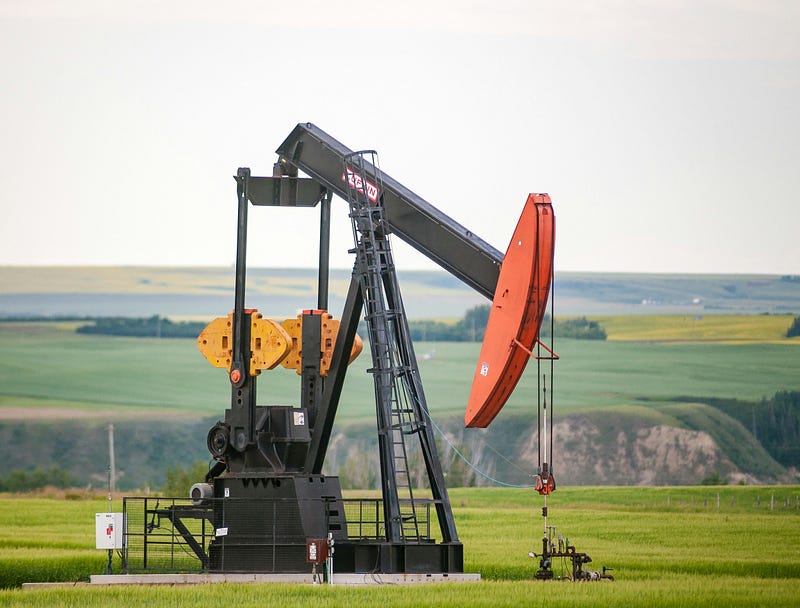
La producción petrolera inició en Venezuela en 1914, con la perforación del Pozo Zumaque en Mene Grande, estado Zulia, en el centro occidente del país, frente al Mar Caribe y frontera con Colombia. Sin embargo, las concesiones a empresas extranjeras empezaron en 1922. El desarrollo tecnológico e industrial del país fue rápido, convirtiendo a un país agrícola en una joya global de los hidrocarburos.
Para 1929, el país ya era el segundo mayor productor del mundo y el mayor exportador del mundo, superando en ambos casos a Estados Unidos. Esa velocidad de acción tomó fuerza cuando en 1960, ya en los primeros años de la democracia en la que Hugo Chávez fue electo 39 años más tarde, el político venezolano Juan Pablo Pérez Alfonzo, “el padre improbable del poder árabe” como tituló The New York Times, impulsó la creación de la Organización de Países Exportadores de Petróleo (OPEP).
Después de varios decretos que entregaban bienes y equipos de las concesionarias a la República de Venezuela, el 1° de enero de 1976, el presidente Carlos Andrés Pérez nacionalizó oficialmente el hierro y el petróleo.
Así mismo, se creó Petróleos de Venezuela, S.A., PDVSA, para la extracción, refinado, distribución y comercialización del petróleo, y las concesionarias recibieron alrededor de mil millones de dólares en compensación.
En 1992, Pérez volvió al poder para superar dos intentos de golpe de Estado por militares alzados que incluían al entonces teniente Hugo Chávez. En su segunda vez en Miraflores Pérez impulsó una serie de medidas económicas y políticas de liberalización de precios, junto a un gabinete de tecnócratas, parte de los llamados Chicago Boys.
La decisión de subir el precio de la gasolina, históricamente la más barata del mundo y prácticamente gratuita, con la consecuente subida del precio del transporte público, llevó a manifestaciones generales, incluyendo saqueos que se conoce como El Caracazo y que fueron reprimidas con altísima violencia, produciendo entre decena y cientos de muertos, según diversas fuentes.
Muchos analistas e historiadores califican El Caracazo como el germen del chavismo, debido al rol coordinador de las organizaciones subversivas de izquierda ante el descontento ciudadano. Entre estas estaba la Liga Socialista, de la que Nicolás Maduro fue militante. Esa organización fue fundada por Jorge Antonio Rodríguez, quien falleció tras ser detenido y torturado por las fuerzas de seguridad del Estado, y quien es el padre de Jorge Rodríguez, presidente de la Asamblea Nacional, y Delcy Rodríguez, presidenta encargada de Venezuela tras la captura de Maduro el 3 de enero de 2026.
Y es que el petróleo tiene un papel preponderante en la historia política y económica del país, produciendo al menos tres escenarios de “enfermedad holandesa”. En Venezuela es muy famoso un editorial de 1936 llamado “Sembrar el petróleo” de Arturo Úslar Pietri, que pedía usar los petrodólares para diversificar la economía. Nunca se hizo, y por tanto también es famoso el calificativo de “excremento del diablo” de Pérez Alfonzo, por la inmensidad cantidad de petróleo que lo ahogaba todo, aún un año antes de su nacionalización.
El país caribeño apenas ha desarrollado su industria turística, su parque industrial o invertido en investigación y desarrollo, impulsando inmensos subsidios a la educación, la salud y los servicios públicos, pero esa abundancia de recursos también se ha visto manchada por la malversación y la corrupción, que en la era del chavismo llevó a escándalos y purgas políticas internas como el caso PDVSA–Cripto que llevó a la cárcel al antes poderoso ministro Tareck El Aissami y decenas de gerentes encarcelados, acusados también de traición.
La grandeza de PDVSA
Cuando PDVSA fue creada, en 1976, en Venezuela existían 333 pozos petroleros, Se producían 2,3 millones de barriles de petróleo al día, de los cuales se refinaban 984 mil, ocupando apenas el 60% de la capacidad instalada. Hoy tiene entre 18 mil y 15 mil pozos petroleros activos, con capacidad de producir entre 20 y 30 mil barriles diarios, lo que equivale a 60 años de 2 millones diarios, así como un potencial productivo de muy largo plazo.
Esta infraestructura petrolera, a datos de 2018, también incluye entre 3 mil y 4 mil kilómetros de oleoductos en 42 sistemas de distribución, 16 terminales de embarque, otros 3 mil kilómetros de gasoductos (aunque oficialmente PDVSA cita 12 mil kilómetros) y 153 plantas de compresión de gas con más de 570 compresores, cuyo estado de funcionamiento está en duda. Además de seis grandes refinerías en territorio nacional.
Así que además de las más grandes reservas de petróleo, de 300 mil millones de barriles, el gran potencial actual es la infraestructura ya existente, aún derruida y abandonada, pero que incluye el que fue el mayor foco individual de gas flaring del mundo.
No es sólo un dato curioso. El portal especializado Global Gas Flaring Reduction Partnership (GGFR) revela que, en 2024, se quemaron 8,3 millones de metros cúbicos de gas natural en Venezuela, lo que lo convierte en el quinto del mundo detrás de Rusia, Iraq, los Estados Unidos e Irán, pero con tres de los diez mayores focos de gas flaring del mundo.
Pero la pérdida total de gas metano, por ventilación o escapes alcanza los 13 millones de metros cúbicos, una cifra tan inmensa que “puede verse desde el espacio”. Un artículo de Bloomberg Green advierte que aunque el metano desperdiciado, 60 veces más contaminante que el CO2, representa el 25% del producido en Venezuela, el índice más alto del mundo, puede valer 1.400 millones de dólares.
Eso sí, PDVSA ya ha superado dificultades. En 1976 recibió una industria disminuida porque los concesionarios abandonaron la perforación y el mantenimiento, logrando una resurrección basada en su capital humano. Después, durante la “Apertura” de los 90, con el cambio de leyes que permitió el regreso de las inversiones extranjeras en las llamadas “asociaciones estratégicas”, la producción superó los 3,5 millones de barriles diarios.
En esa época también alcanzó la internacionalización, con activos y oficinas en Europa, Estados Unidos y El Caribe, así como la compra de refinerías y CITGO, la red de gasolineras y refinerías más grande de Estado Unidos, pero que por años ha estado en peligro de ser subastada por las deudas provenientes de juicios internacionales perdidos por las nacionalizaciones ordenadas y no pagadas por el gobierno de Chávez.
Y es que a pesar de los despidos masivos de trabajadores de 2001, las expropiaciones de empresas extranjeras y la politización de la empresa, que aún hoy tiene a 135 extrabajadores petroleros presos por denunciar irregularidades en PDVSA, en diciembre de 2013 aún se producían 2,32 millones de barriles diarios.
Hoy el reto implica levantarse desde los 830 mil barriles diarios de diciembre de 2025.
Enfermedad holandesa, ¿otra vez’
Así mismo, el exministro de Petróleo, Rafael Ramírez, hoy en el exilio, por el que pesan diversos casos de corrupción, dice que el control estadounidense de los fondos provenientes de la venta del petróleo es “irregular e insostenible” porque el 90% de los ingresos de la Nación provienen del petróleo, por lo que se pregunta cómo se sostendrán los gastos corrientes del Estado, como el pago a los empleados públicos.
Esto se ratifica al consultar tanto el Observatorio como el Atlas de Complejidad Económica de la Universidad de Harvard, que revela cómo la exportación de petróleo crudo y derivados ocupan la mayor parte de la economía venezolana, aún con las restricciones de las sanciones económicas impuestas por EEUU desde 2017, que irónicamente sigue siendo el principal receptor de estas importaciones de hidrocarburos.
Ramírez asegura que hay conocimiento e infraestructura para la recuperación, pero cifra la cantidad de pozos en solo 12 mil. “Si el dinero entra al país y hay socios que trabajen con nosotros, la industria se recupera en pocos años”. Pero insiste que la incertidumbre y falta de reglas claras ahuyenta la inversión, por lo que pide por un transición con distintos factores políticos y el respeto a la soberanía expresada en la Constitución.
Ahora la presidenta encargada habla de 300 millones de dólares que entrarán por medio del Banco Central de Venezuela (BCV) a bancos privados. Una inyección que casi cuadriplica la última vez que hubo intervención bancaria, mientras la tasa cambiaria paralela o de mercado negra sigue bajando con los días.
Lo hace casi al mismo tiempo que anuncia una nueva modificación de la Ley de Hidrocarburos para permitir inversiones extranjeras sin que la estatal PDVSA sea dueña de todo el petróleo, con el anuncio de la primera venta de gas licuado de la historia y con la posibilidad del regreso de petroleras, la embajada de Estados Unidos, el FMI y el Banco Mundial, para la recuperación del sistema eléctrico, de salud, vivienda y educación, presuntamente por medios de fondos soberanos y/o cuentas administradas por Estados Unidos, producto de la venta de petróleo, gas y derivados.
Venezuela tiene pendiente la diversificación de su industria, aprovechar su ingenio local, la ubicación geográfica y pasar de un mero exportador de materias primas y de importador de productos, a la ansiada Tierra de Gracia de inventiva, innovación y prosperidad, que no excluye la industria de los hidrocarburos pero no puede quedarse allí.